Energy transition

Energy transition

We are ready for the next phase of the energy transition.

BW Offshore is actively developing innovative floating solutions to address the challenges of climate change and the energy transition. From integrated carbon capture and storage modules designed to facilitate the decarbonisation of traditional oil & gas FPSOs to stand-alone floating low-carbon fuel production units, our concepts will progress the future of energy.
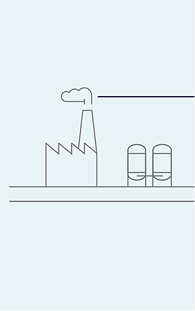
Emitters
Capture
Capture
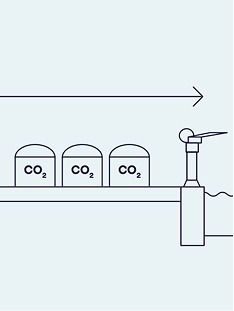
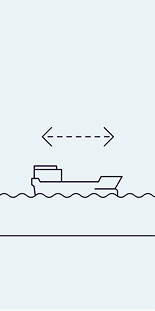
Transport
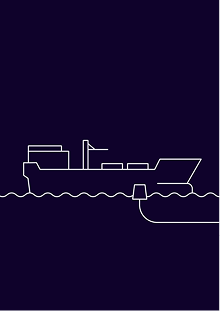
CO2 Injection
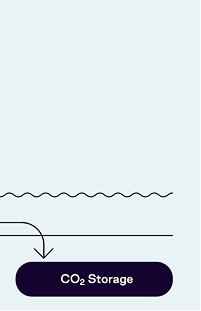
CO2 Storage
BW Offshore
Emitters
Terminal
Transport
CO₂ Injection
CO₂ Storage
CO2 Storage
Capture
We’re also developing concepts and exploring opportunities within CO2 transport, storage and injection, gas-to-power and floating units for freshwater production through desalination. Our goal is to mature and establish new business segments that meet the needs of the evolving energy markets, so that BW Offshore is at the forefront of a net-zero energy industry.

Governance structure

BW Offshore has a well-developed corporate governance structure, and adheres to the Norwegian Corporate Governance Board (NUES) Code of Practice, last updated on 14 October 2021.

CCS value chain

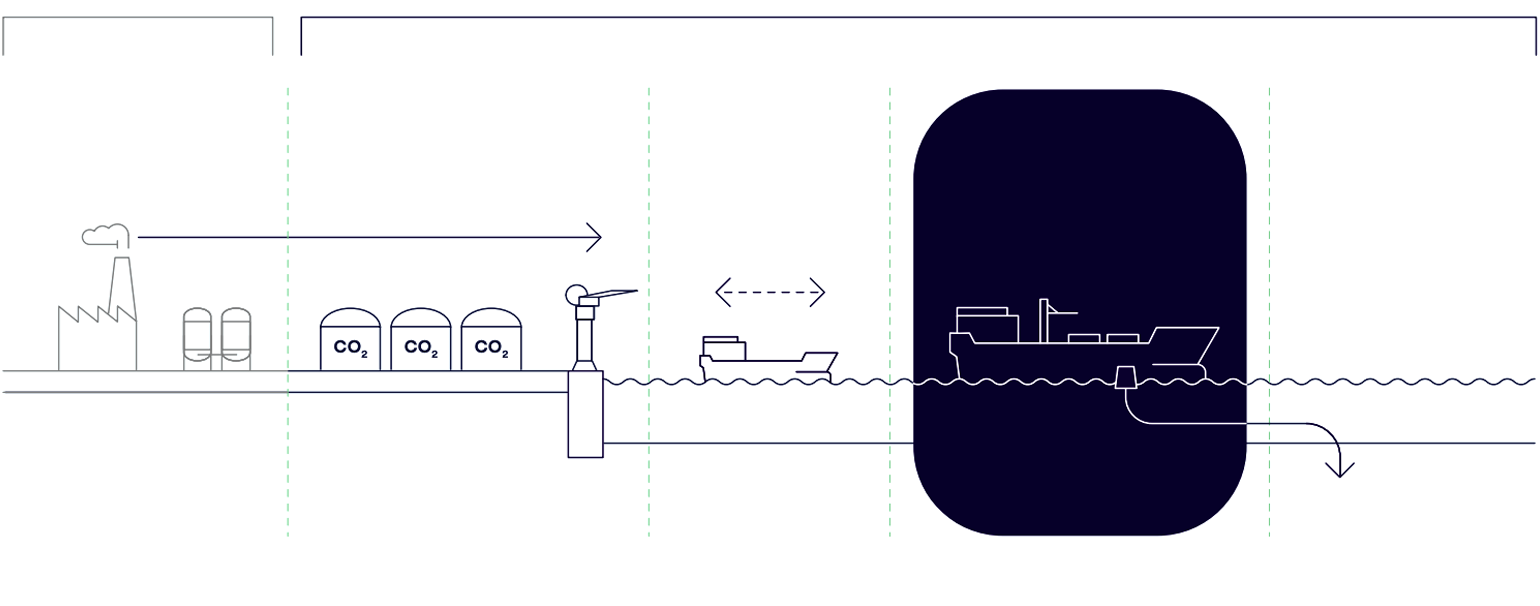
Carbon Capture and Storage (CCS) is an essential pillar of the strategy for achieving net-zero emissions and limiting global temperature rise.  CCS is necessary to facilitate decarbonisation of “hard-to-abate” industries, support a managed transition to clean energy, and actively remove carbon dioxide from the atmosphere.
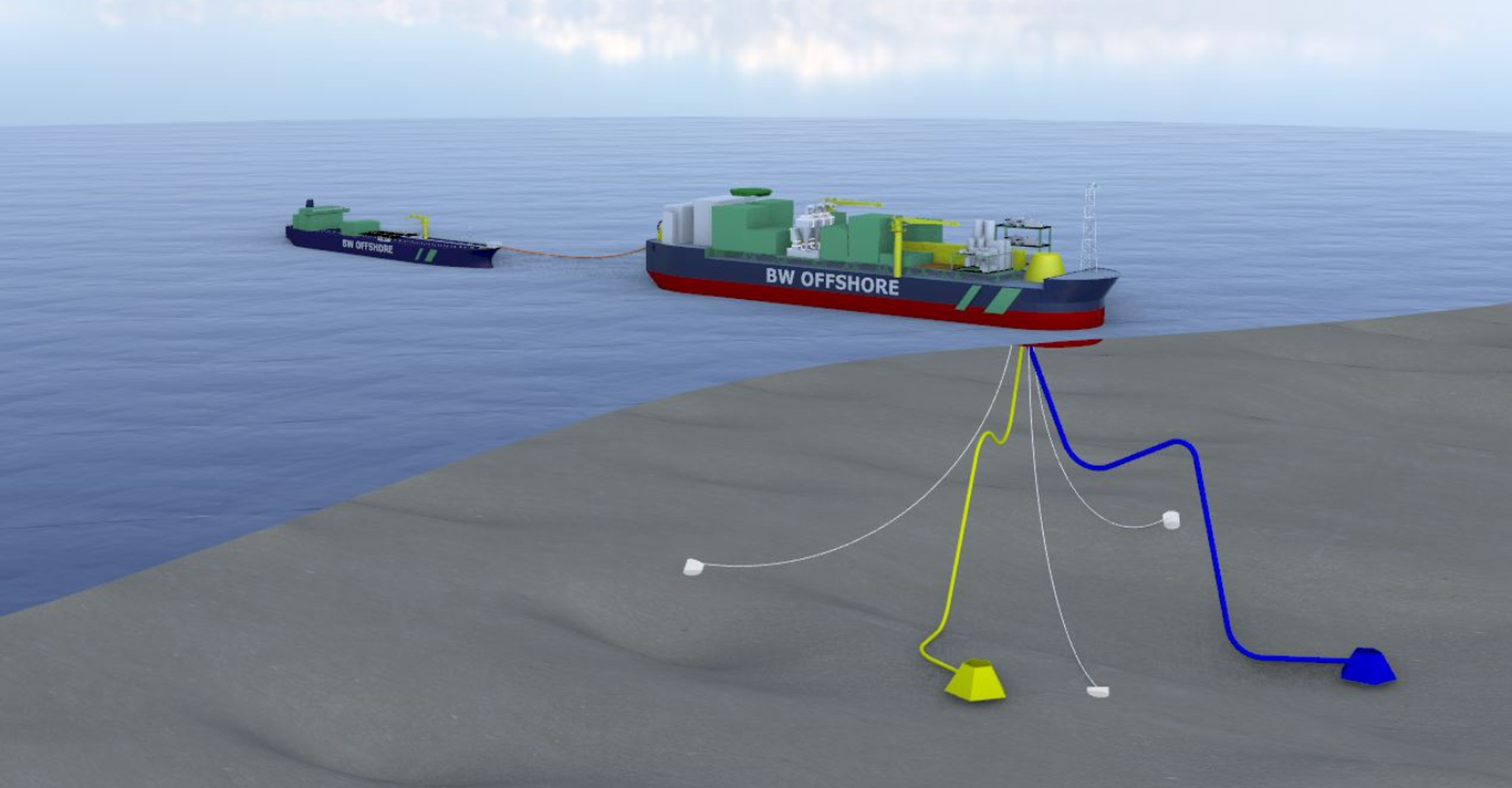
The development of CCS infrastructures has already begun, but innovative solutions are needed to unlock routes to offshore storage and deliver on a global scale quickly.  Watch the video to see how BW Offshore’s Floating CO2 Storage and Injection Unit can provide a flexible, cost-effective alternative to fixed injection infrastructure, and how the BW Group is collaborating to service the CCS value chain.

Clean Fuels

Clean fuels such as hydrogen and ammonia are expected to play a pivotal role in the global energy transition, supporting decarbonisation in hard-to-abate sectors such as shipping, power generation, and a wide range of industrial applications. As demand accelerates, the ability to produce these fuels competitively and at scale—while ensuring low or zero-carbon footprint—will be essential.
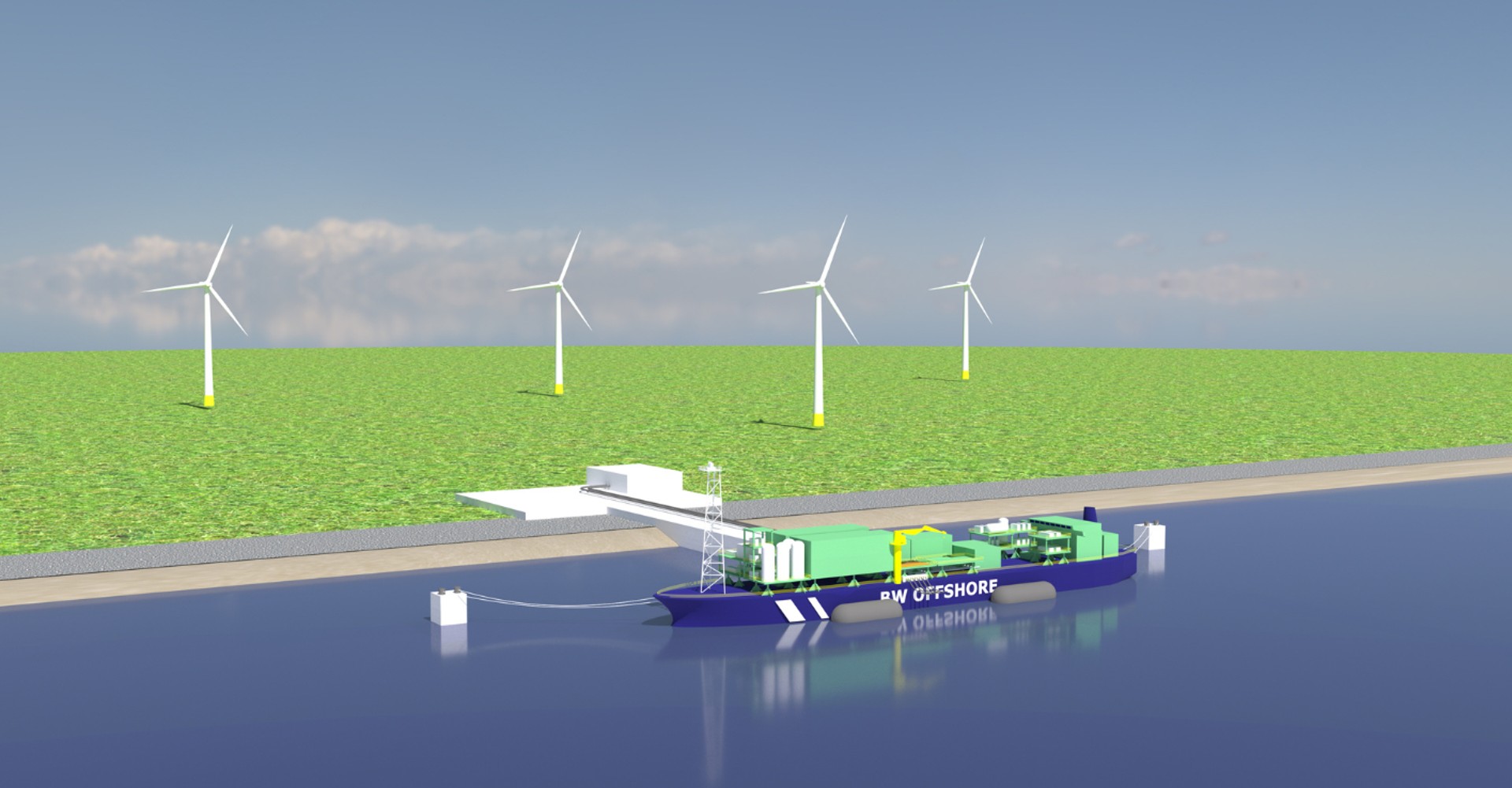
Floating production offers a compelling route to achieve this. By enabling access to affordable energy resources, simplifying the value chain through reduced infrastructure requirements, and leveraging efficient shipyard-based construction, floating clean-fuel solutions can deliver large-scale, competitive production with global deployability.  

With more than 40 years of experience in delivering complex offshore production systems, BW Offshore is uniquely positioned to drive the development of these next-generation clean-fuel assets, and to adapt our solution to different energy sources and production technologies as the market evolves. Our long FPSO heritage—combined with a strong culture of innovation, agility and adaptability—allows us to design, build and operate floating clean-fuel solutions and low-carbon ammonia production units in partnership with leading technology providers, contributing to the build-out of the emerging clean-fuel value chain.

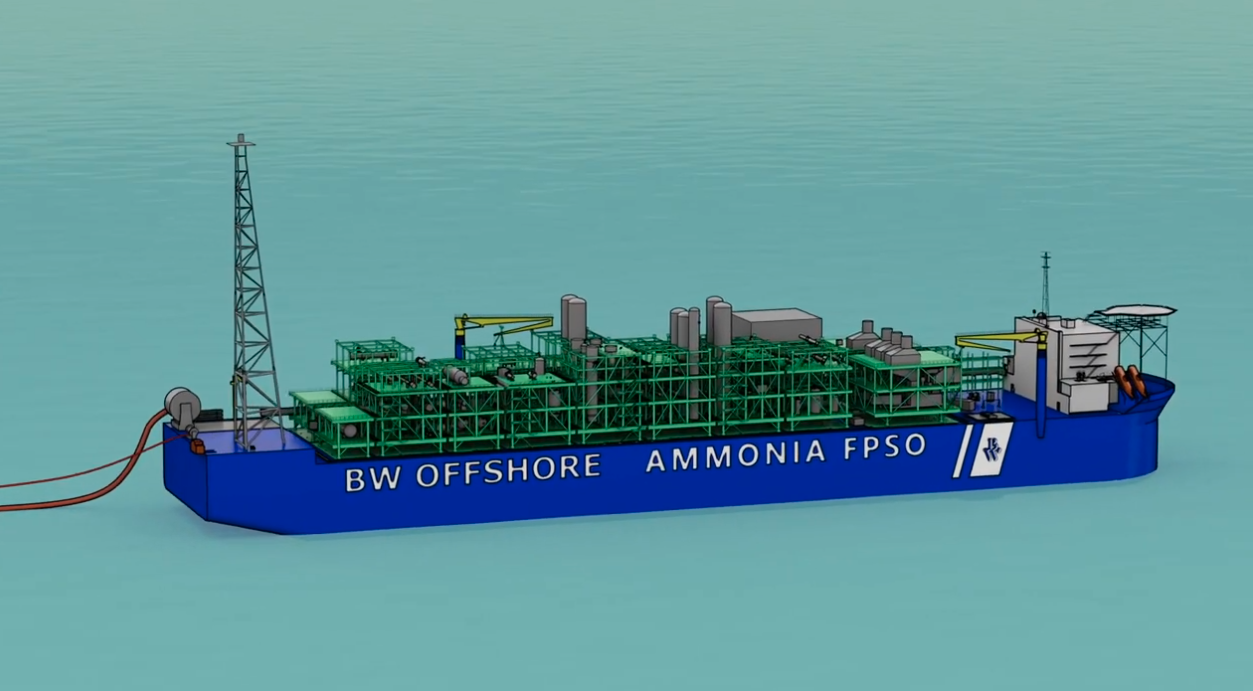
BW Offshore’s Ammonia Concepts

Blue
Transforming low-cost gas to low-carbon ammonia (<0.5 kg CO2e/ kg NH3)
Offshore
- FPSO concept in collaboration with McDermott
- AiP in progress
- Target scale: 1 MTPA
Nearshore
- Alternative to onshore plant
- Shipyard construction efficiencies
- Reduced infrastructure
Green
Transforming onshore or offshore renewable energy to zero-carbon ammonia
Offshore
- Green ammonia FPSO concept in collaboration with SwitchH2
- AiP achieved
- Target scale: 0.3 MTPA (300 MW)
Nearshore
- Alternative to onshore plant
- Flexible continuous or intermittent production-leverage excess renewable capacity
- Target scale: 1 MTPA (1 GW)
Export/Import Terminals
Floating terminal or FSRU re-gasifying liquid ammonia
- Flexible concept supporting ammonia capacity expansion with seaborne ammonia trade projected to grow more than 5 times by 2050
- Follows proven gas infrastructure model (LNG FSRU)
- Target scale: 1 MTPA

Floating Solution Benefits

Cost and efficiency
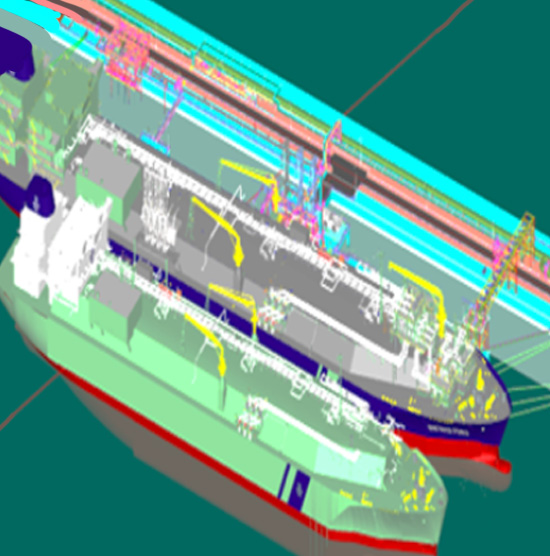
- Integrates production, storage and offloading terminal into one unit.
- The "Design One, Build Many" approach reduces costs.
- Leverages efficiency of shipyard-based construction.
- Accelerates project timelines by removing onshore development risks.
- Allows modular growth with phased expansion.
- Redeployable – provides strategic flexibility
Safety and proven methodology
- Enhances safety by keeping ammonia operations away from populated areas.
- Leverages successful floating LNG models in regions with limited infrastructure.
Innovative commercial models & partnership models
- Reduces upfront investment for clients through flexible FPSO-style Lease & Operate models.
- Allows for collaborative development pathways with technology partners, EPCs, and regional or global stakeholders
Constribution to energy transition
- Supplies a clean commodity with versatile applications.
- Delivers competitive low-carbon ammonia at scale in the short to medium term.
- Supports global market expansion as ammonia demand and seaborne trade accelerate.
- Optimises integration into the energy value chain, making efficient use of local resources.

Gas to Power

To meet the growing global demand for power while reducing emissions from energy-intensive industries such as oil and gas production, BW Offshore is developing offshore and nearshore floating gas-to-power solutions, with optional integration of carbon capture and storage (CCS).

Gas is an important energy transition fuel, enabling low-emission electrification or provide reliable baseload power to complement intermittent renewable energy sources.

BW Offshore’s concept offers a robust and flexible power unit, available with or without CCS. The unit can be deployed as a floating, docked or gravity-based installation and is adaptable to a range of power plant capacities (50-550 MW), in high-efficiency power generation applications and industrial utility optimisation.

With its high uptime, the unit provides reliable and cost-efficient power while allowing full customisation of redundancy configurations, including backup solutions using multiple power sources.

For the configurations with CCS, the captured CO2 can be exported via pipeline, transferred as liquid directly to carriers or injected into a suitable geological reservoir.

For nearshore applications, the unit can be designed to minimise visual impact and meet local regulatory requirements in populated coastal areas.
Continue reading